
Strategy is complex, not complicated: A field guide for clearer choices
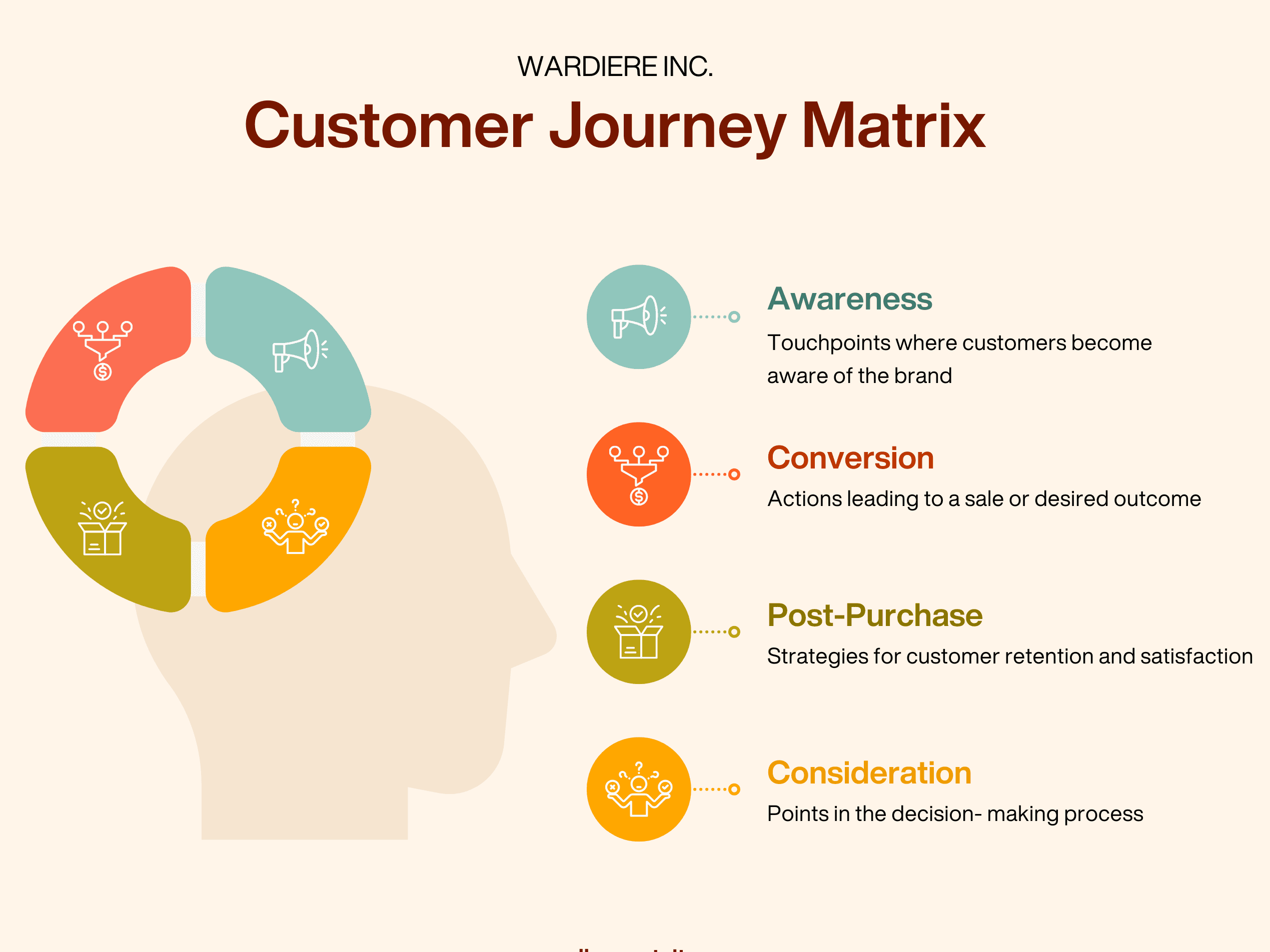
Strategy has a reputation for being complicated, and most teams treat it that way. They cram decks with inputs, stack dashboards until nothing is legible, and debate taste long before they define intent. The truth is quieter. Strategy isn’t complicated. It’s complex — because people are complex. But complexity doesn’t have to lead to confusion. With clear structure and a little discipline, you can turn a crowded brief into a set of choices a team can actually run.
This field guide breaks strategy into parts you can use right now. No jargon. No theatrics. Just a path toward decisions you can explain and defend.
1. Start With a Real Goal
A strategy that tries to solve everything solves nothing. The first step is stating the goal in plain language — not as a marketing buzzword, but as a change you want to see in the world.
“Grow awareness” is not a goal.
“Drive engagement” is not a goal.
Those are conditions, not outcomes.
A real goal answers a simple question: What do we want people to do differently?
Do you want new customers in three key cities?
Do you want current buyers to come back sooner?
Do you want trial, not loyalty?
Or loyalty, not trial?
Teams collapse under ambiguity. Pick one primary goal. Two at most. When you protect focus, you also protect every decision downstream.
2. Define Your Audience by Behavior, Not Demographics
Demographics are tidy but deceptive. They tell you who someone is, not what they do. Behavior is where strategy lives.
Segment people based on actions that affect your goal.
Recency: How long since they last engaged?
Frequency: How often do they buy or return?
Value: What do they invest (time, money, attention)?
Context: What stands in their way?
It’s easy to assume a 22-year-old Gen Z and a 48-year-old Gen X buyer have nothing in common. But behavior often clusters across age. A value seeker is a value seeker. A status buyer is a status buyer. A first-time trier behaves like other first-time triers — regardless of where they sit in a census table.
Write your audience like a person making choices, not a demographic block standing still.
3. Find an Insight Worth Betting On
Insights get misused. Teams mistake observations (“people love convenience”) for insight. They mistake trends for truth. They mistake quotes for leverage.
A real insight is a useful, specific tension — a truth that gives you a place to push. It doesn’t just describe a behavior. It explains why the behavior matters.
Good insights show up in strange places:
Expectation gaps
Workarounds people create
Phrases repeated without prompting
Complaints that reveal unmet needs
Moments of friction everyone feels but no one names
When you find a strong insight, the creative direction stops drifting. You feel the decision narrow. The work becomes easier, not harder.
4. Positioning Narrows the Lane
Positioning is not a mood board. It’s not a list of features. It’s not a tagline someone liked in a brainstorm. It’s the hill you take and defend — a promise with proof.
Good positioning cuts away.
It names:
who it’s for
who it’s not for
what the promise is
what gives the promise strength
Most teams avoid this because it feels limiting. But limits create clarity. Creative teams produce sharper ideas. Media teams spend smarter. Leadership gains confidence. Strategy earns its place.
5. Build a Message Architecture That Works
Messages fail when they exist as a pile — every stakeholder’s point, every angle, every draft. Strategy demands a system.
Start with one primary message that carries the promise. Then add two or three supporting messages that answer the obvious questions. Each message should map to:
A specific audience segment
A clear stage in the journey
A job it needs to perform
If you can’t place a message in the system, cut it. Strategy is subtraction, not accumulation.
6. Choose the Few Moves That Move the Metric
The most common strategy mistake is mistaking channel presence for channel purpose. Teams chase platforms because they look modern, not because they drive the goal.
Channels aren’t trophies. They’re tools.
If your promise needs demonstration, build assets people can watch more than once.
If your audience searches first, make search the spine and social the accelerant.
If your brand wins through community, invest in participation and partnerships that carry real trust.
Great strategies don’t spread thin. They concentrate force.
7. Write Decision Criteria Before You See Creative
Most creative reviews fall apart because people argue about taste. Strategy turns taste into criteria.
Before any concept is shown, write five to seven decision criteria:
the must-haves
the red lines
the non-negotiables
the evidence of fit
When the room is aligned early, reviews stay focused. You debate fit, not favorites.
8. Plan Measurement Like a Story
Measurement only works when it connects activity to meaning. Build a simple causal chain from the work to the goal:
watch, click, and save → early signals for trial
repeat viewing → growing consideration
time on site → evaluation
return visits and repurchase → loyalty
Track what matters to the story. Ignore the rest. Vanity metrics will always be loud; useful metrics will always be specific.
9. Build Feedback Loops That Keep You Honest
Strategy is not a ceremony you do once. It’s a cycle.
Set checkpoints. Watch your leading indicators without panicking. Update assumptions when the signals shift. Keep the core promise steady unless the audience tells you it’s wrong.
Feedback loops make surprise smaller and wins repeatable.
10. Two Examples, Simplified
Launch With a Focus on Trial:
Goal: new customer trial in three cities
Audience: curious but price-sensitive
Insight: trust grows when people see someone they know enjoy the product
Positioning: everyday wins
Moves: creator seeding, simple demos, local pop-ups, search to catch intent
Measurement: saves, redemptions, repeat exposure
Rebuild Trust After a Misstep
Goal: restore consideration among lapsed buyers
Audience: feels the brand talks more than it listens
Insight: apologies without product change don’t matter
Positioning: transparency and service
Moves: service-led content, updated product pages, community Q&A
Measurement: sentiment shift and return rates
11. The Core Insight
Strategy feels complicated when teams skip the parts that look obvious: the goal, the audience, the insight, the trade-offs. They jump into assets instead of choices. They measure everything instead of the things that matter.
Complexity can’t be removed. But complication is a choice.
Strategy earns its keep when it does three things:
reduces options
raises confidence
explains the plan under pressure
If your strategy doesn’t do all three, it’s not ready yet.
Alexis De Ocampo-Creative/Digital/Brand Strategist
(Originally Uploaded on Thursday, Sept. 26, 2025)