
Culture City
Client:
Culture City
Project Type:
Social Media & Digital Strategy
Role:
UX audit, content strategy, SEO recommendations, user journey analysis
01 — Overview
The Opportunity
Culture City is a nonprofit dedicated to creating inclusive environments for individuals with sensory needs. While the mission is strong, the digital experience needed refinement to better communicate value, improve usability, and support engagement across audiences.
The Goal
Enhance Culture City’s website to make it more intuitive, accessible, and action-oriented—ensuring users can easily understand the mission, find resources, and take meaningful action.
02 — Challenge
The website presented friction across multiple levels:
Information hierarchy was unclear
Navigation made it difficult to find key resources
Messaging didn’t fully communicate impact or urgency
Accessibility—core to the brand—was not fully reflected in the digital experience
The Challenge:
How can Culture City’s digital presence better reflect its mission while improving usability, clarity, and engagement?
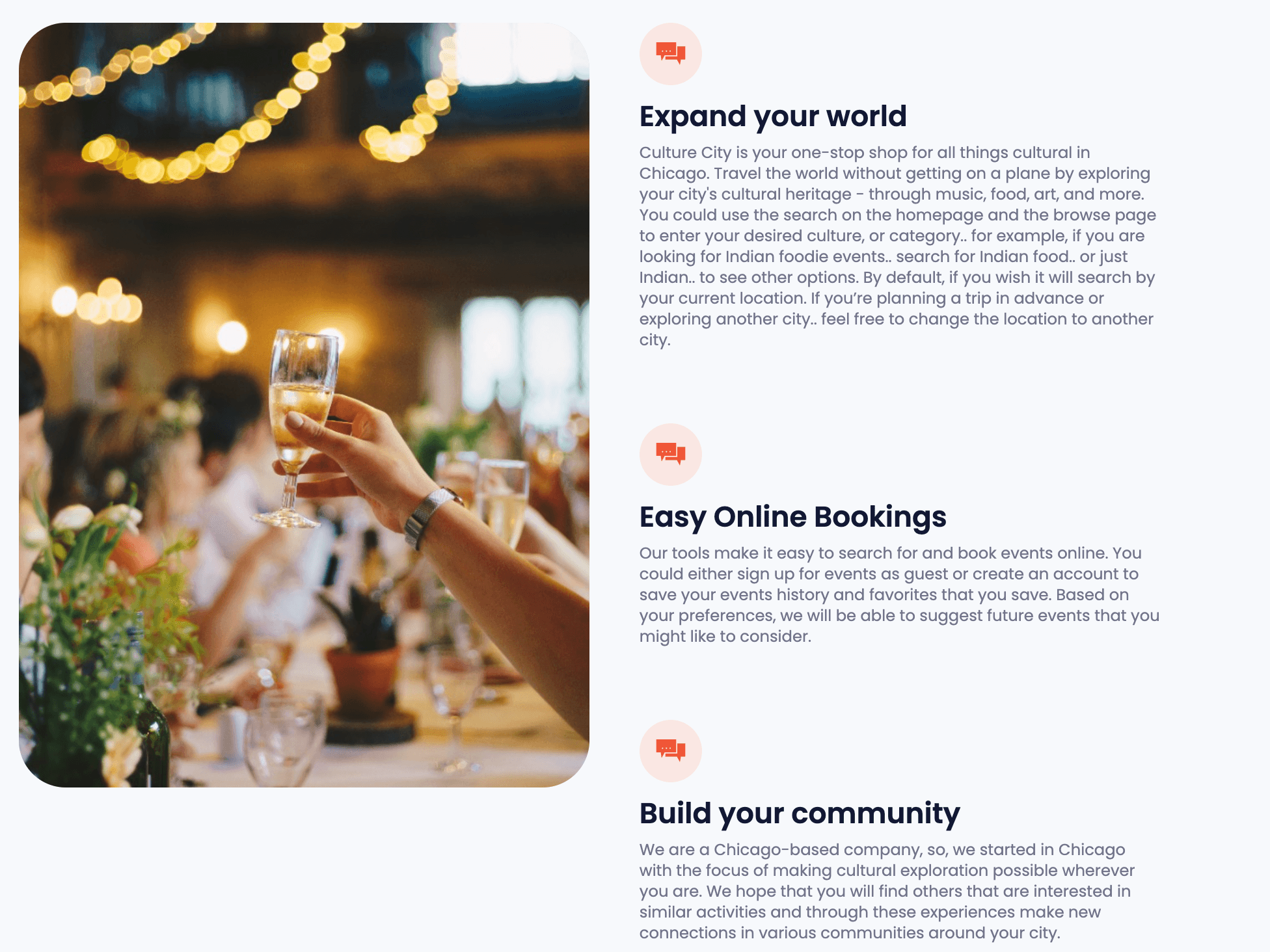
03 — Audience & Insight
Primary Users
Individuals seeking accessibility resources
Organizations looking to partner or get certified
Caregivers and community advocates
Observed Friction
Users arrive with high intent, but experience navigation fatigue
Important information is present, but not easily surfaced
The emotional weight of the mission requires clarity, not complexity
Core Insight
When users are searching for support or resources, clarity is more valuable than creativity
04 — Strategy
Strategic Idea
Simplify the experience to amplify the mission.
Strategy Pillars
Clarity in Structure
Reorganize navigation and page hierarchy to reduce friction
Content Prioritization
Surface key actions, resources, and programs immediately
SEO Foundation
Optimize metadata, keywords, and content structure to improve discoverability
05 — Execution
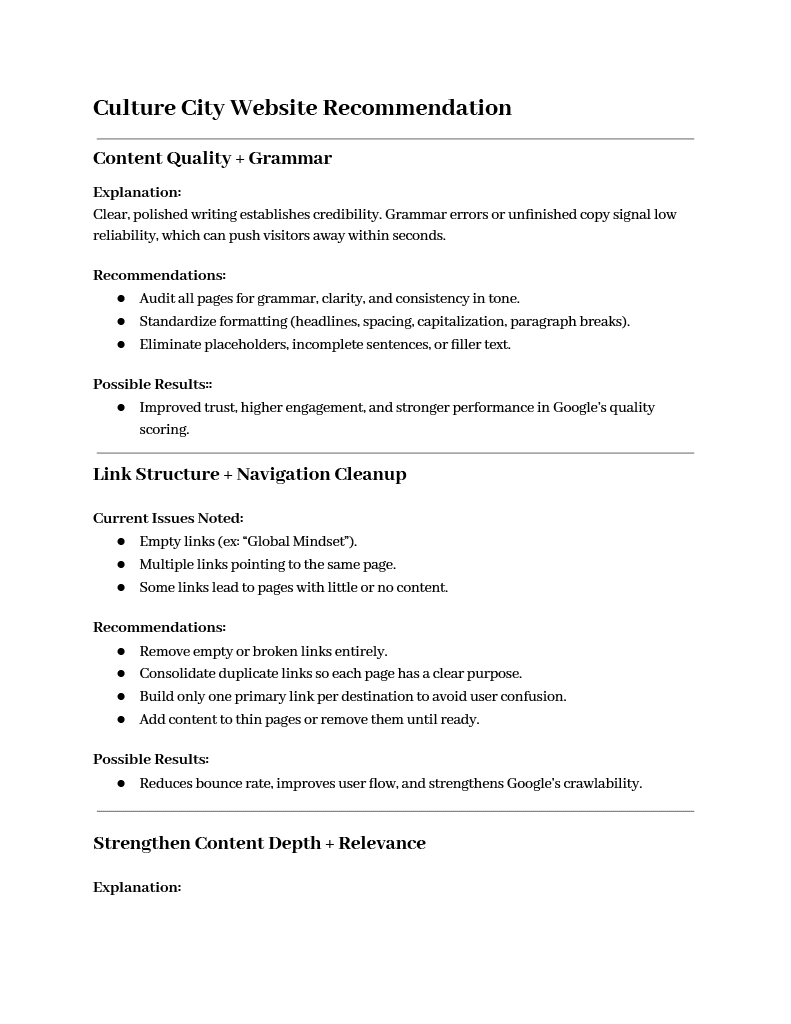
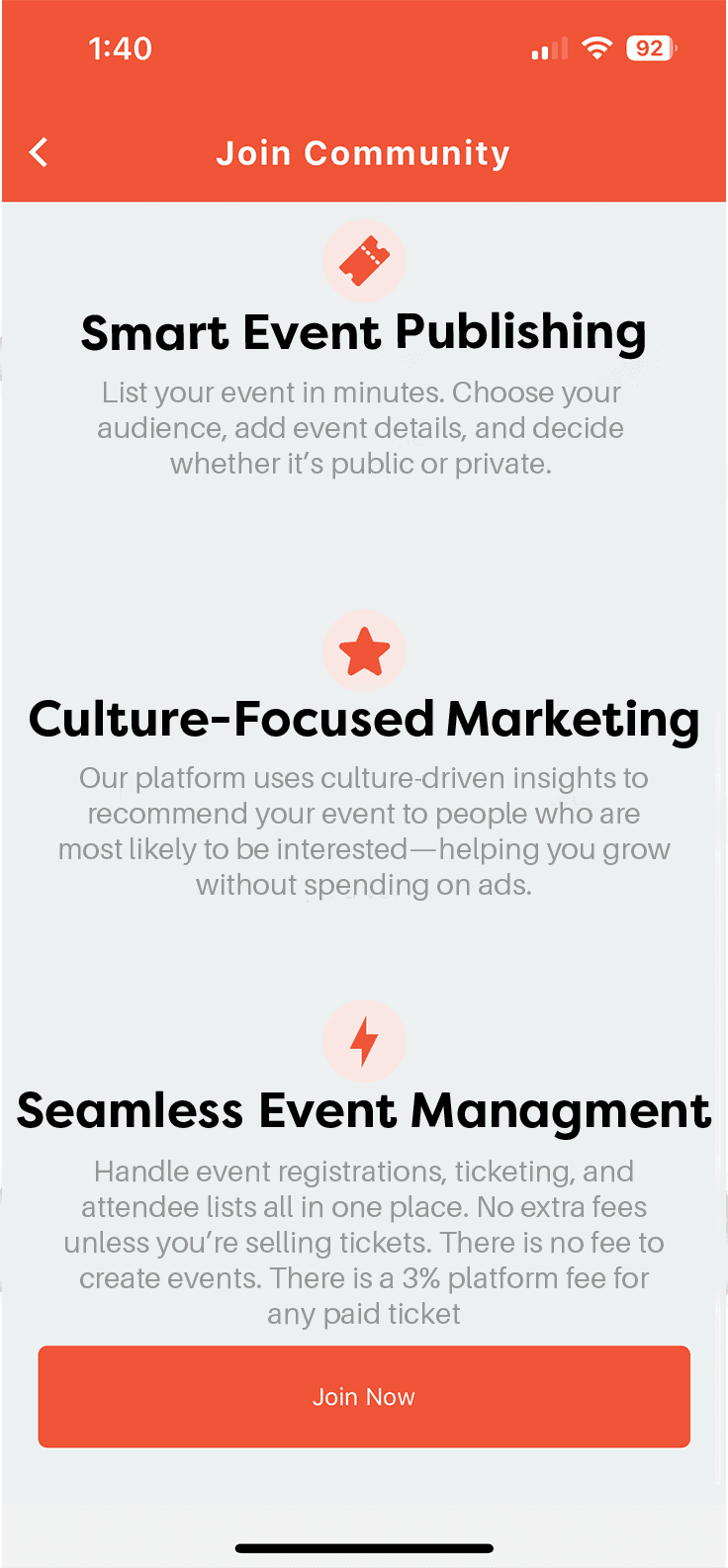
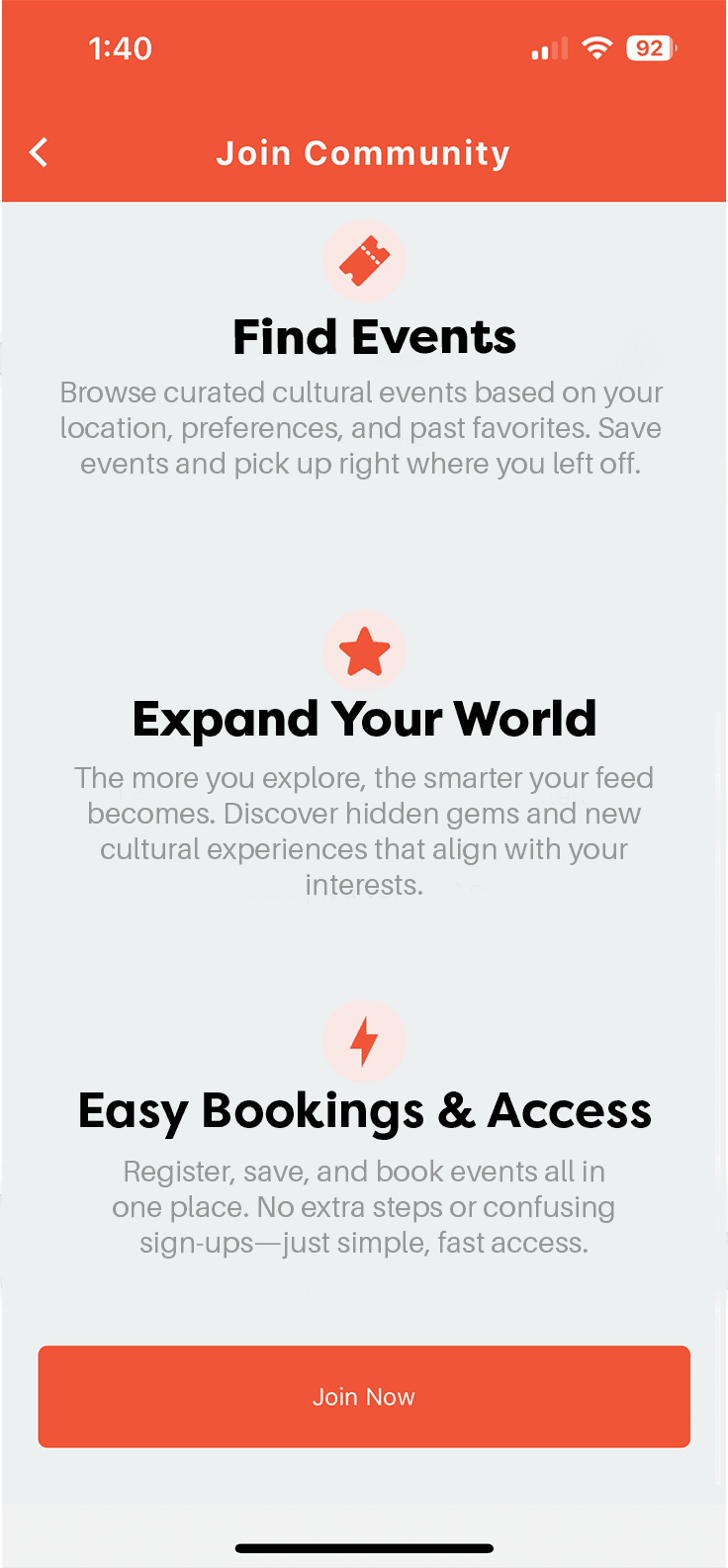
5.1 Website Audit (UX + Content)
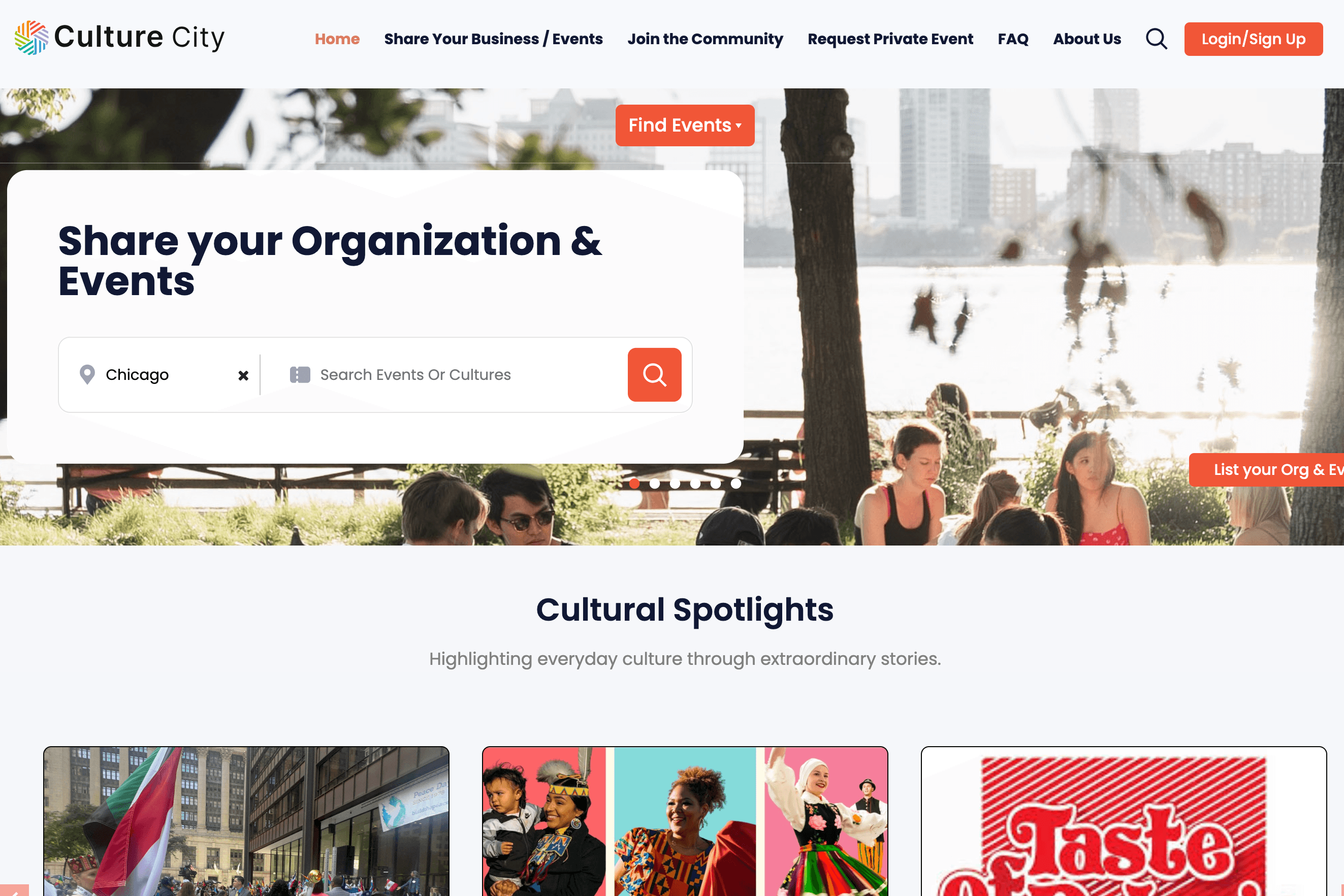
Evaluated homepage, navigation, and key landing pages
Identified friction points in user flow
Assessed readability, hierarchy, and CTA placement
Key Fixes
Simplified navigation labels
Reduced content clutter
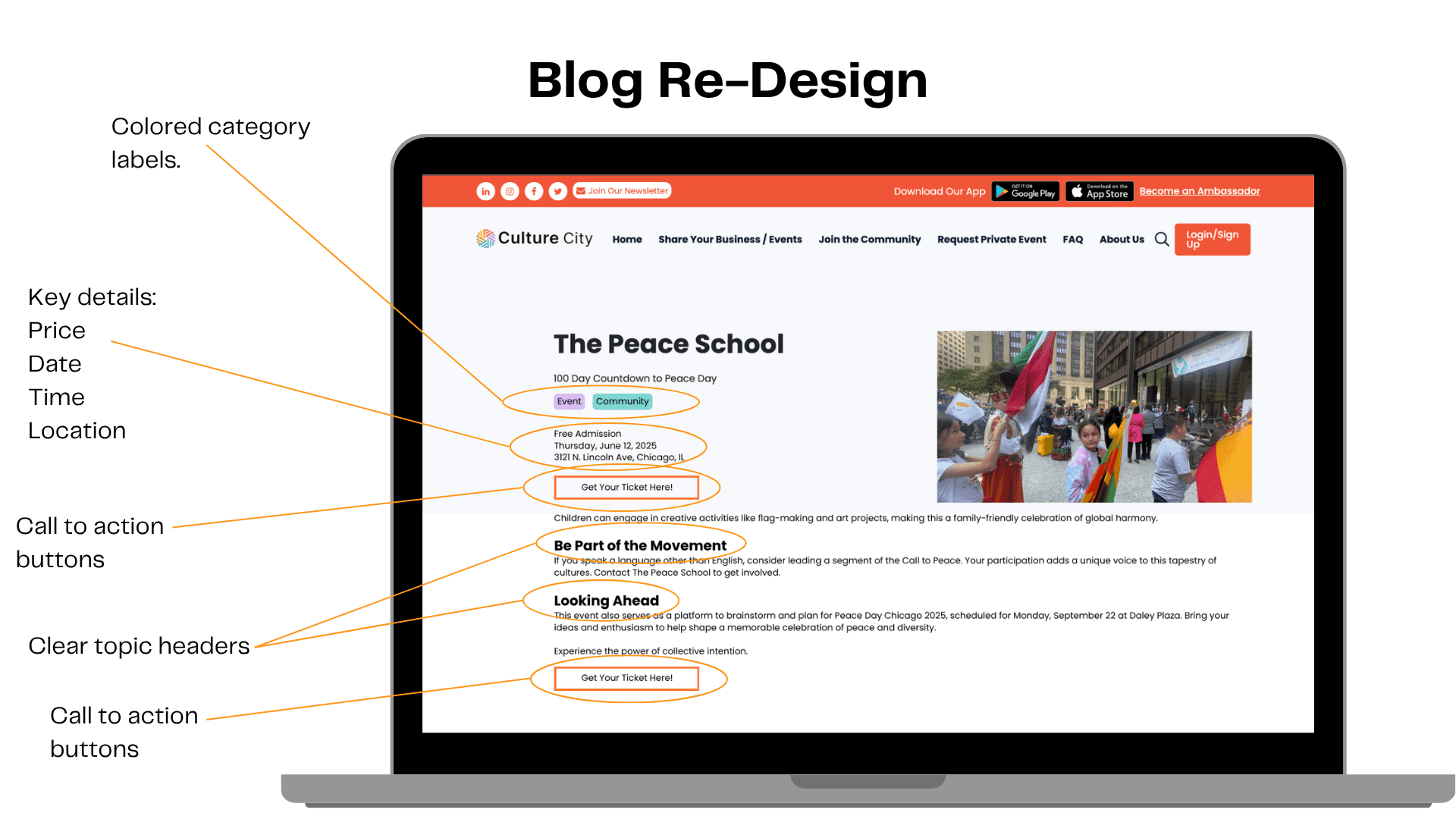
Improved scannability through sectioning
5.2 Content Strategy
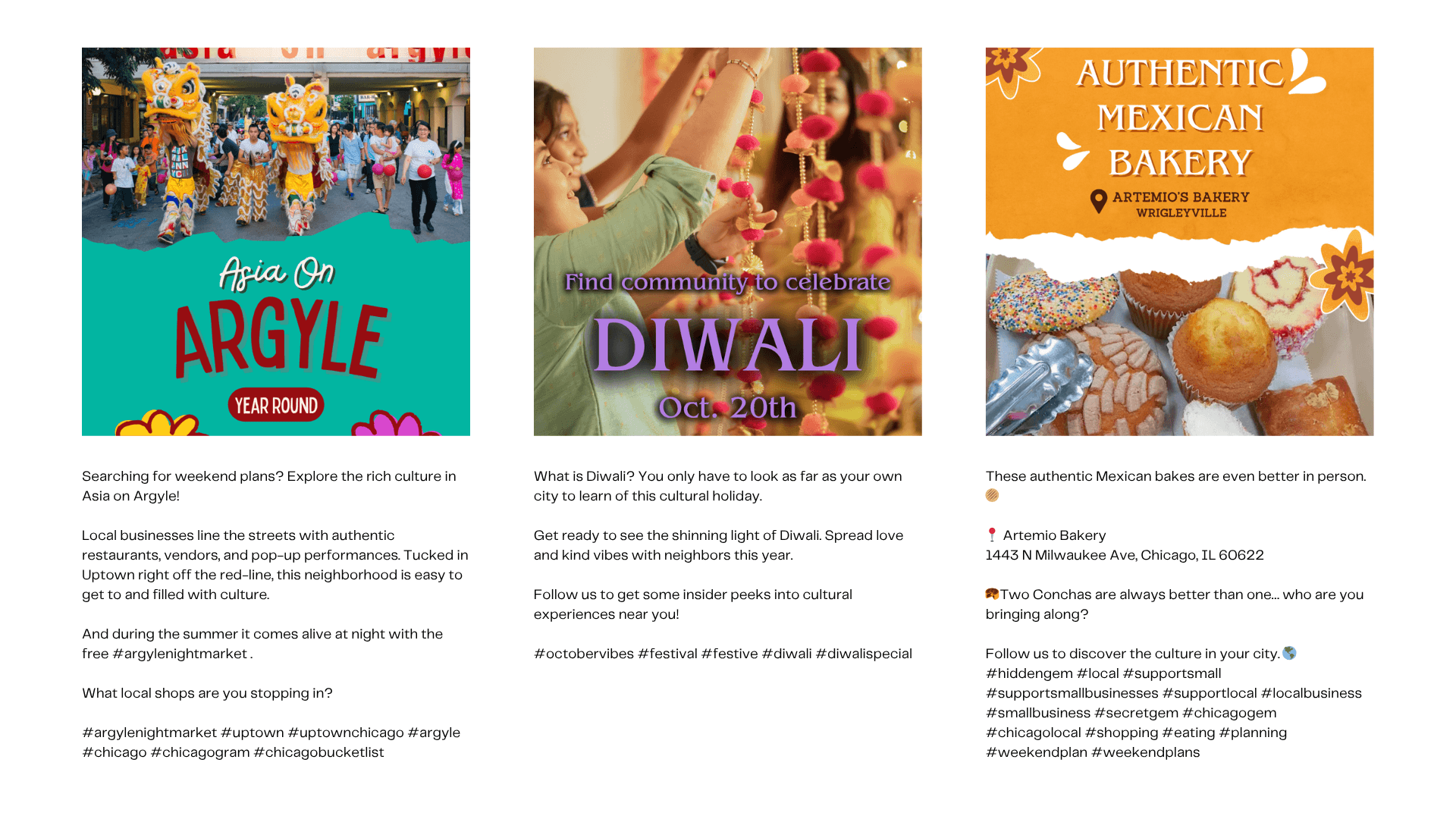
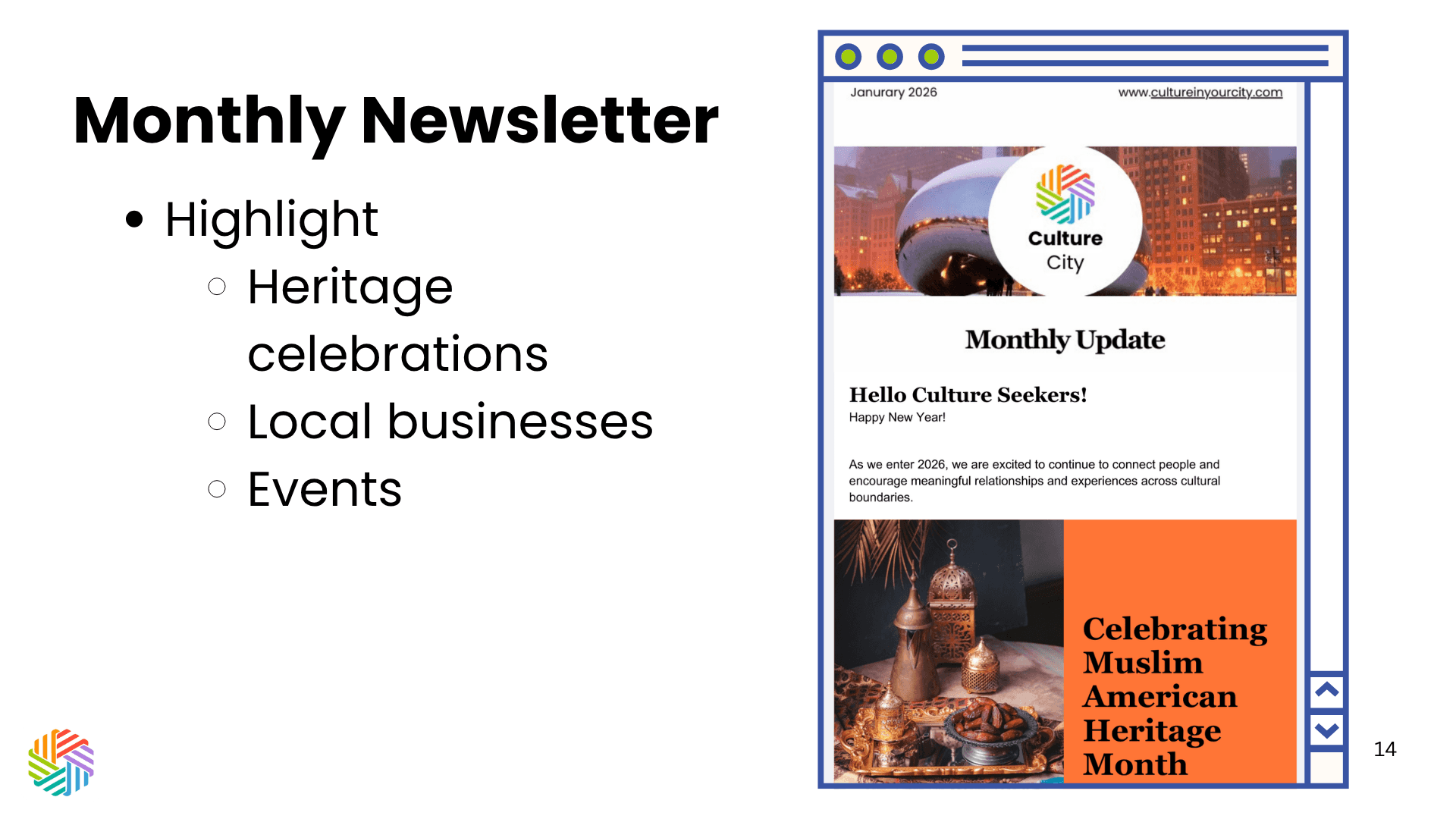
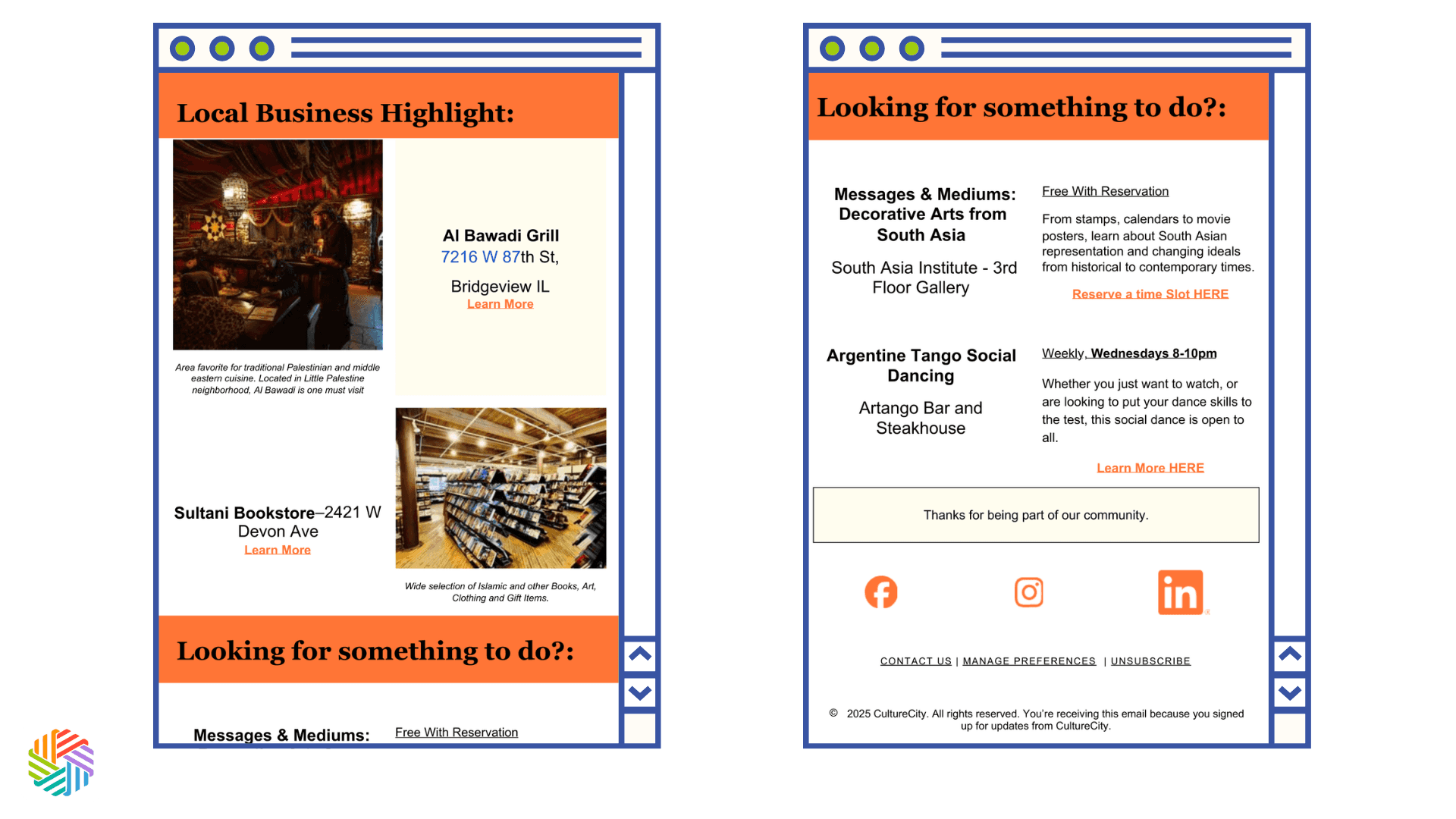
Reframed messaging to prioritize user needs over internal structure
Organized content by intent (learn, act, support)
Clarified calls-to-action across pages
Impact Focus
Faster understanding of mission
Reduced cognitive load
Clearer pathways to engagement
5.3 SEO Optimization
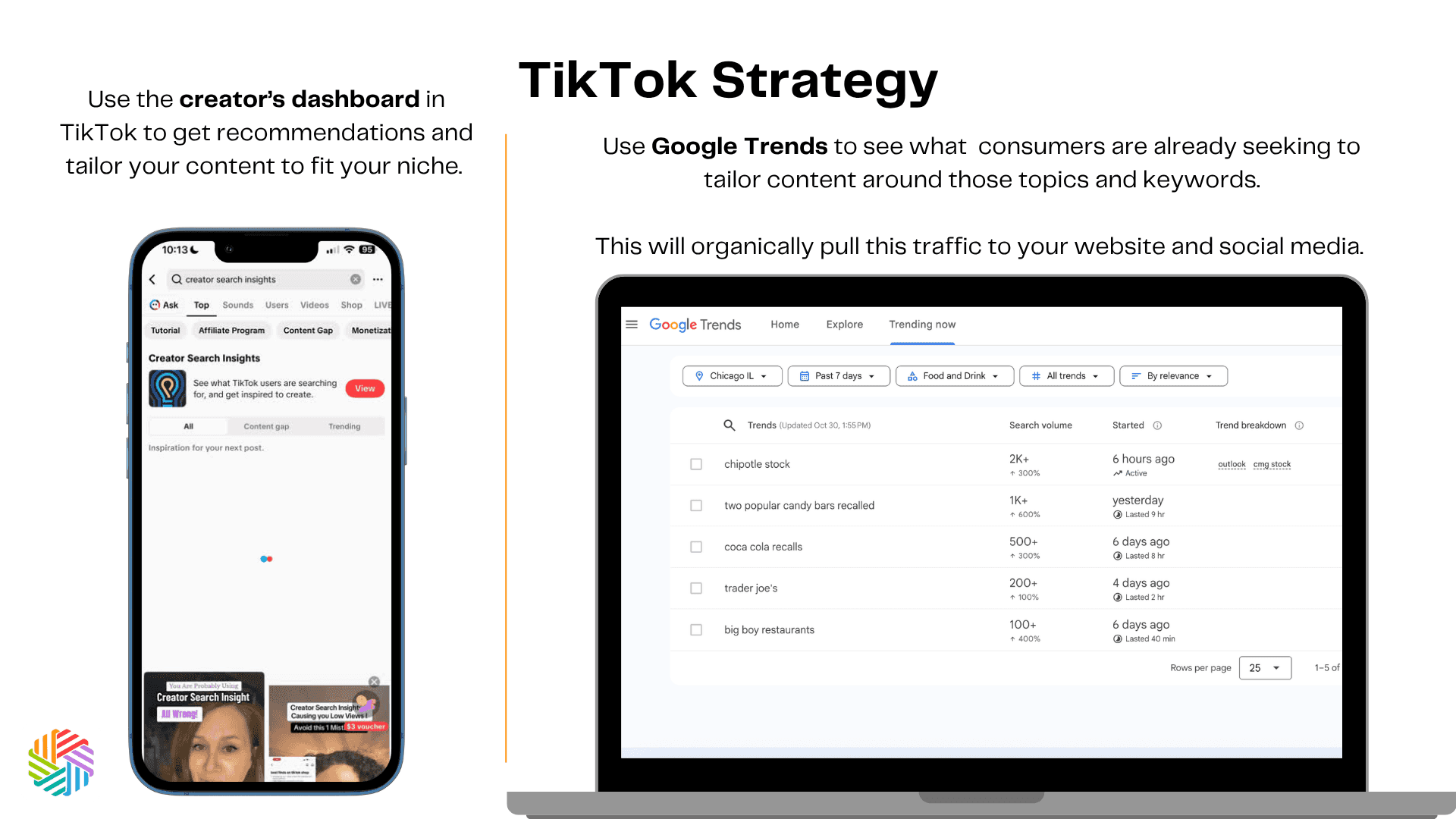
Developed keyword strategy aligned with accessibility and nonprofit search intent
Optimized:
Meta titles
Meta descriptions
Header structure (H1–H3)
Image alt text
Identified opportunities for:
Blog content
Resource indexing
Search visibility growth
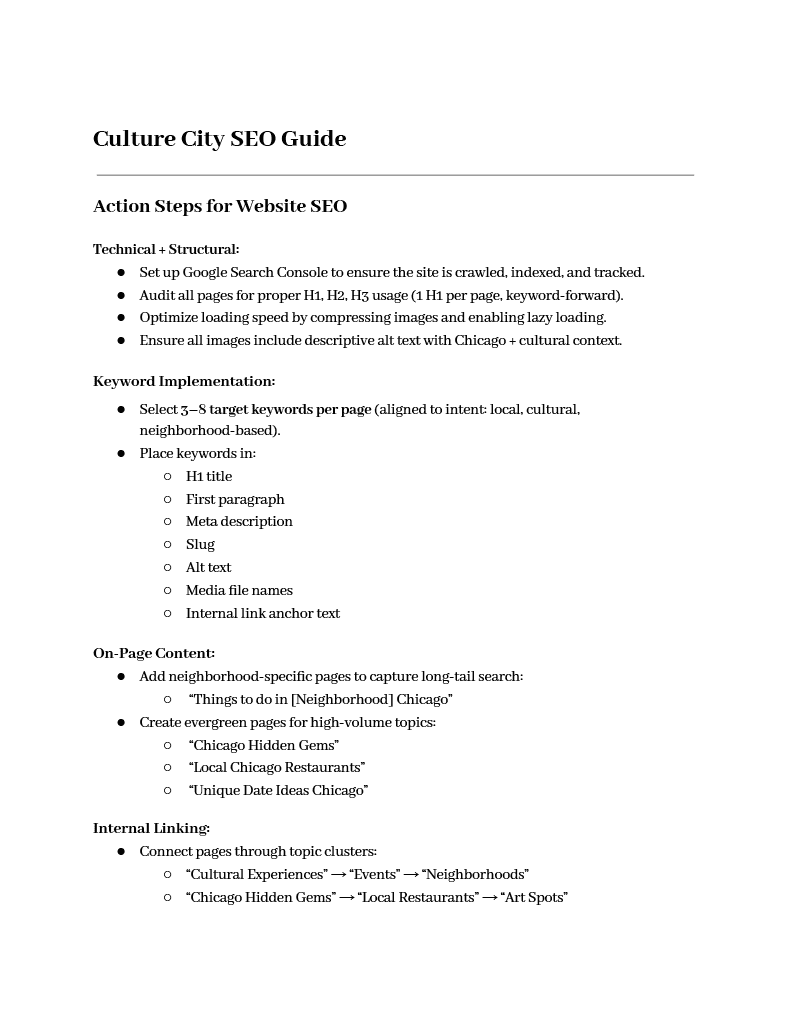
5.4 Platform-Specific SEO Guide
Created tailored recommendations for:
Website CMS
Blog content structure
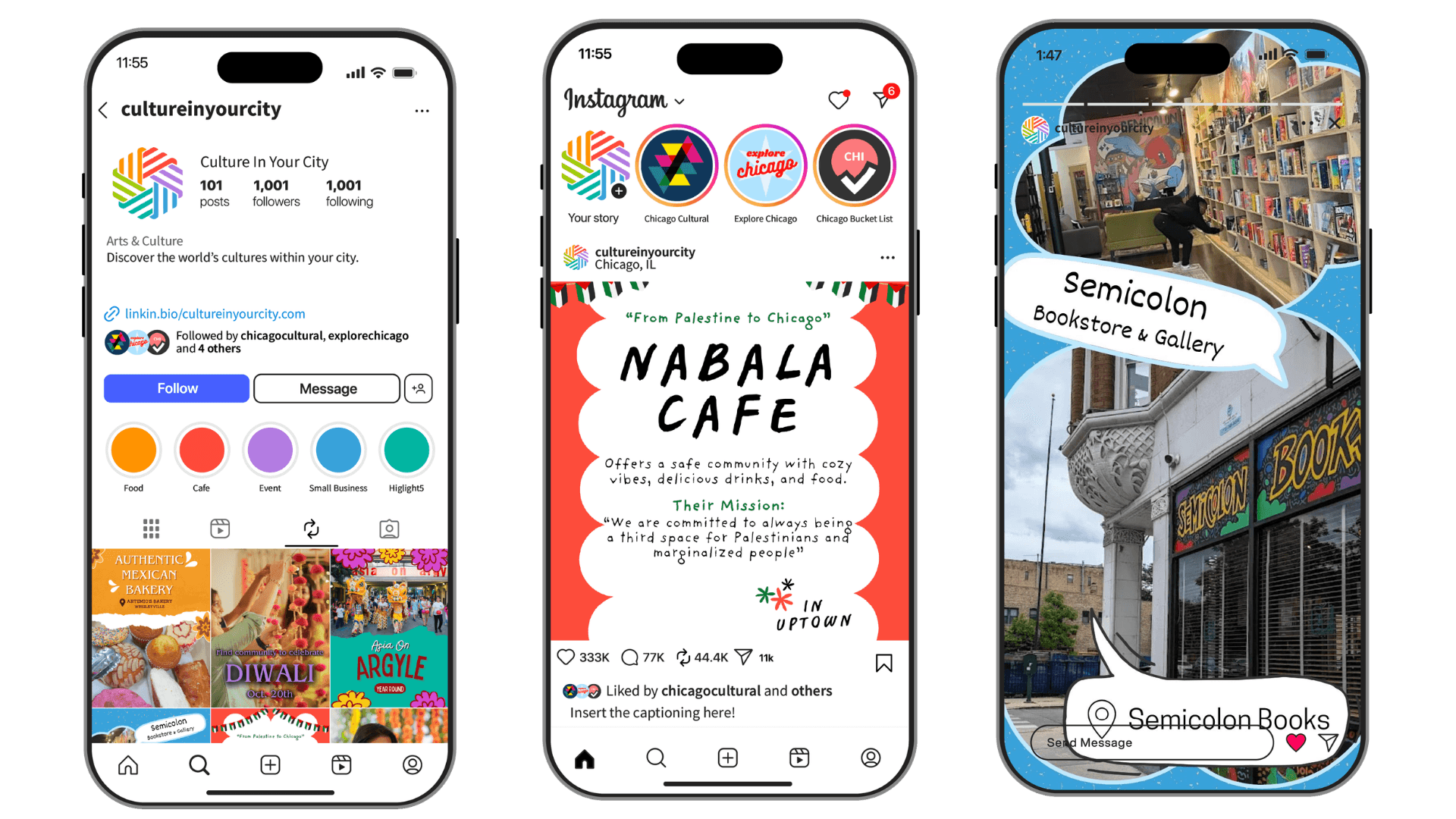
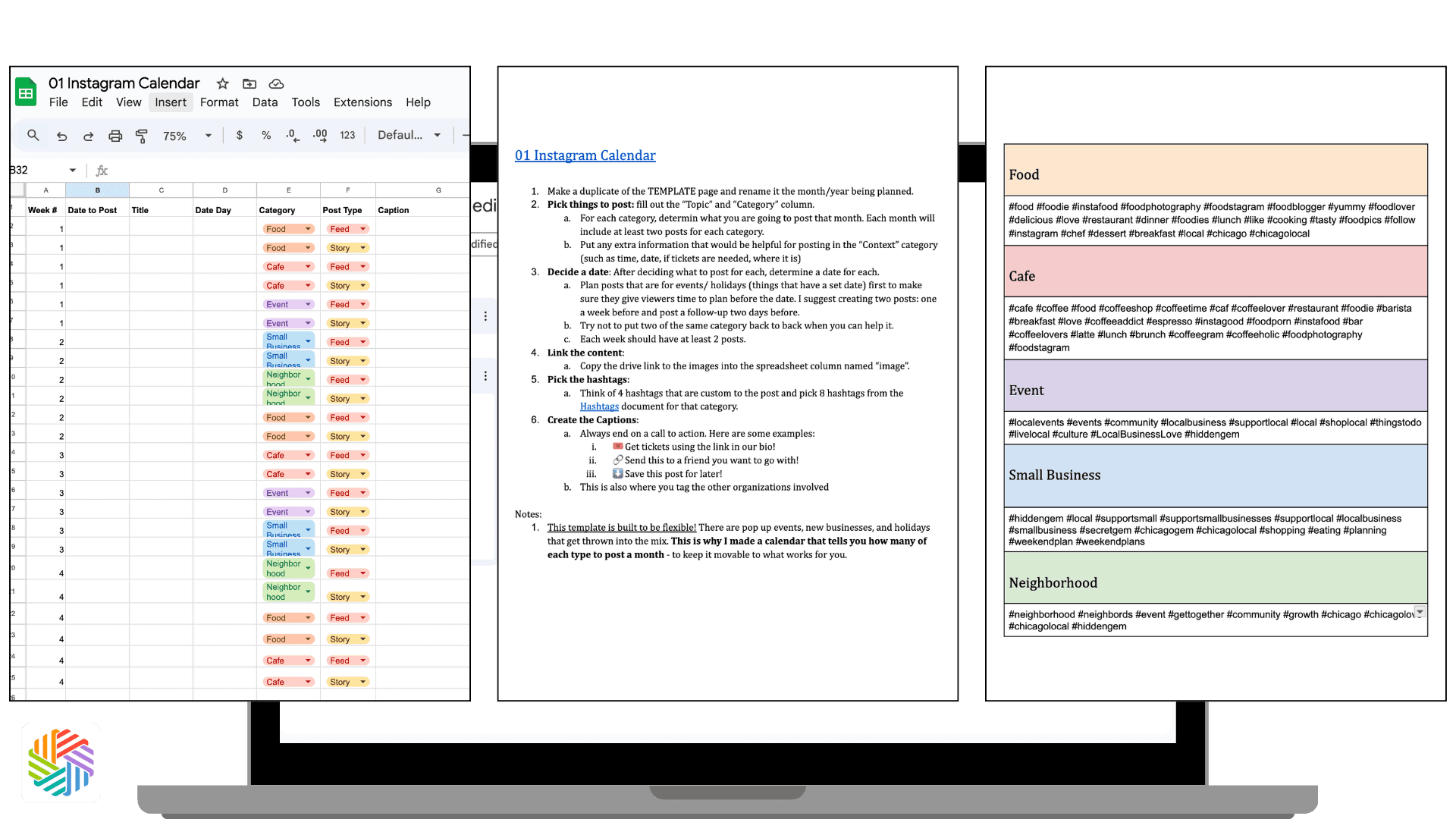
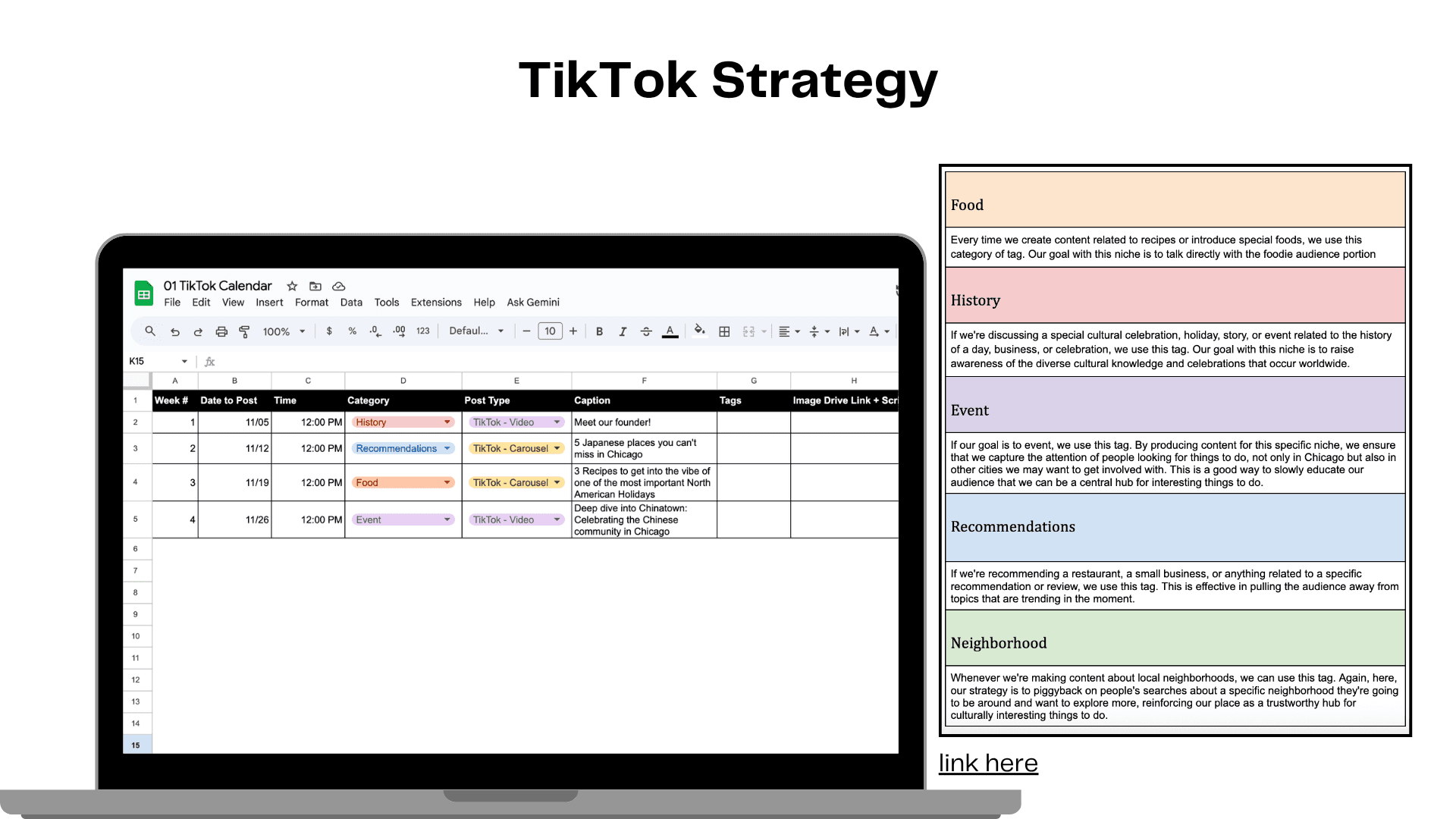
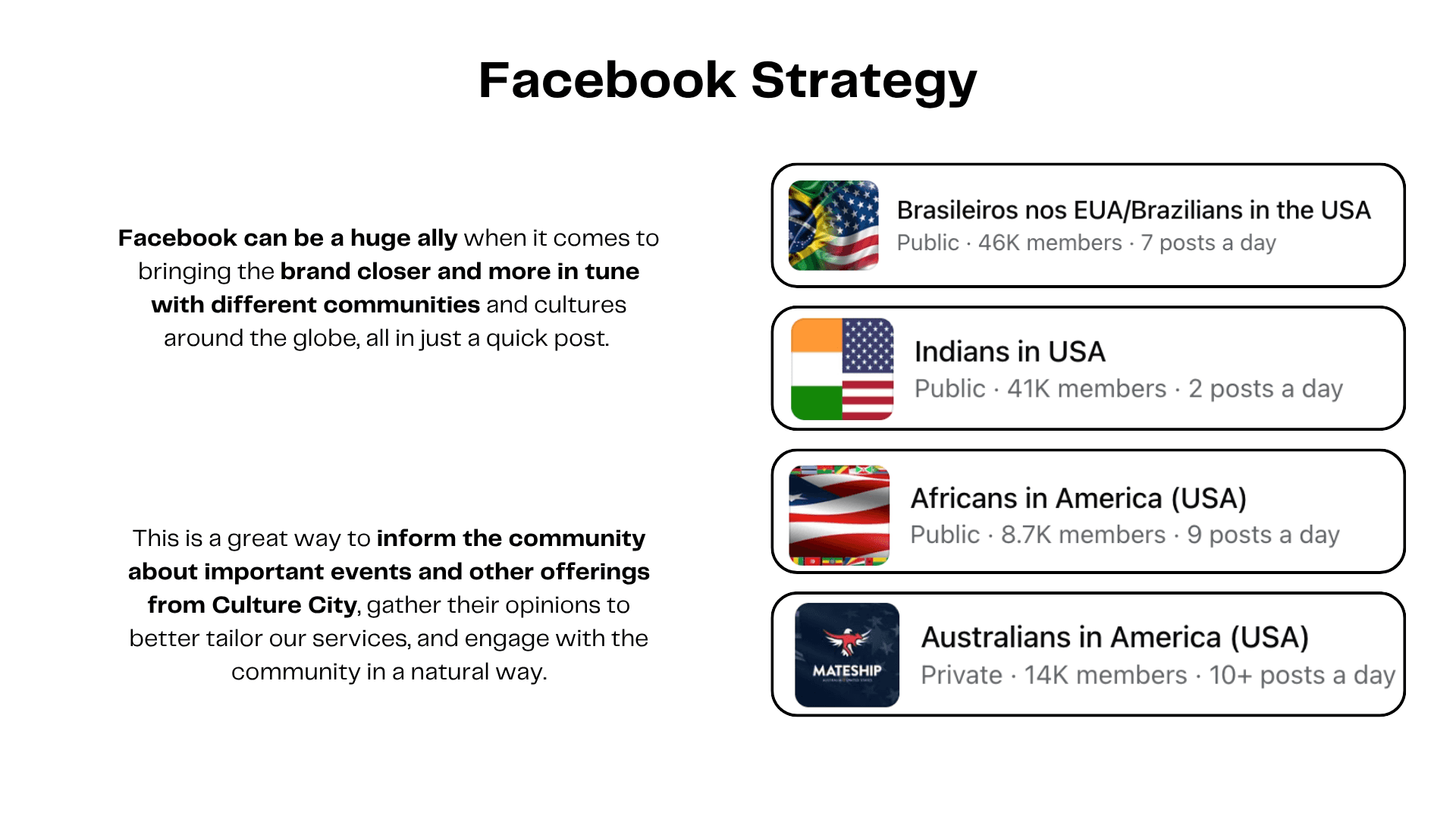
Social integration for discoverability
Focused on making SEO sustainable, not one-time.
06 — Impact
Expected Improvements
Increased search visibility for accessibility-related queries
Reduced bounce rate due to clearer navigation
Improved user journey from entry → action
Stronger alignment between mission and user experience
Strategic Value
Supports both awareness and action
Makes resources more accessible to those who need them most
Positions Culture City as easier to find, understand, and engage with
07 — My Role & Tools
My Contributions
Conducted full UX and content audit
Identified structural and navigational issues
Built SEO framework and keyword direction
Developed actionable recommendations across UX + SEO
Translated insights into client-ready strategy
Tools
Google Analytics · SEMRush · Google Trends · Site audits · Content mapping · SEO frameworks